
Intumescent Thermal Insulation Boards – Inorganic Passive Fire Protection
FireEG manufactures two complementary inorganic intumescent board products for passive fire protection — the sodium silicate-based SF-7 and the ammonium phosphate-based SA-3. Both expand when heated to form a rigid, non-combustible insulating foam layer that seals gaps and prevents flame, smoke and heat from passing through fire-rated assemblies. Asbestos-free. Fiberglass-reinforced or semi-rigid options available. Custom cut, strip, and self-adhesive backing available.
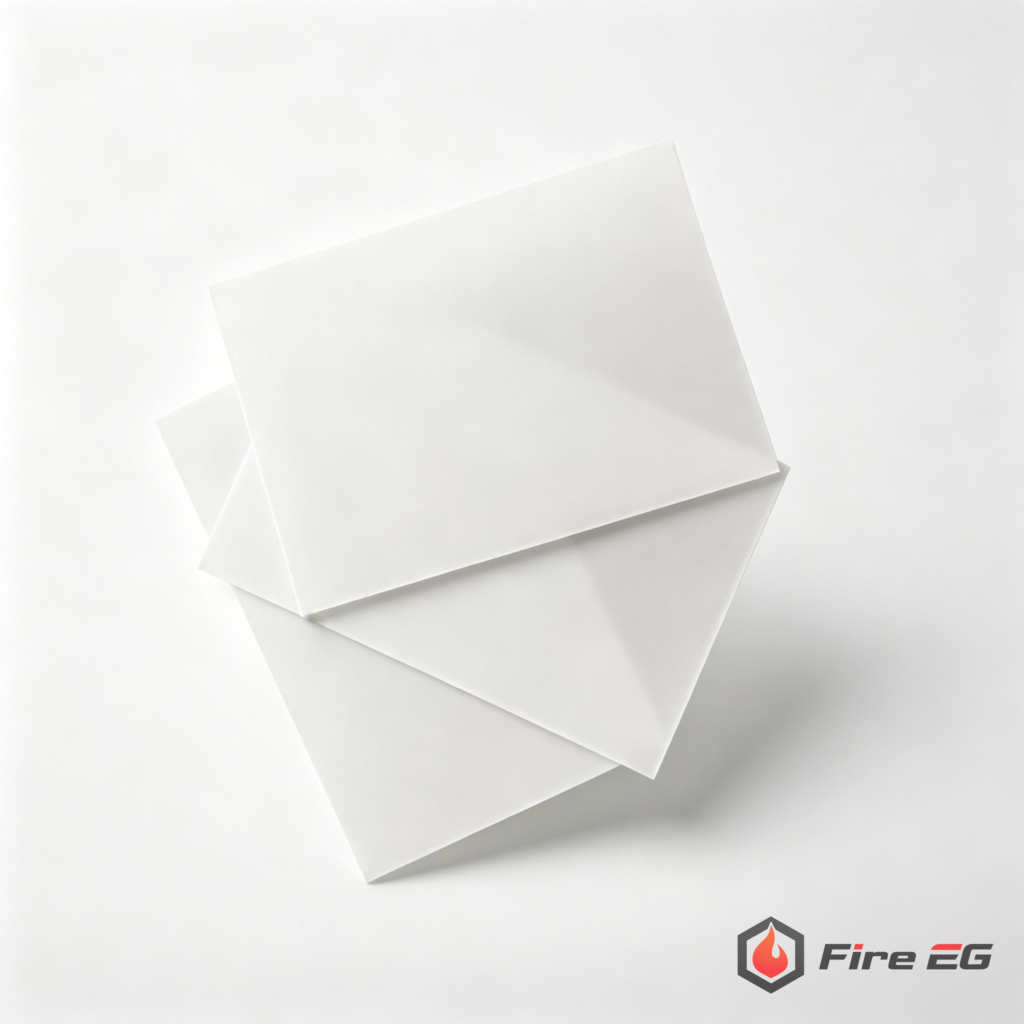
SF-7 – Sodium Silicate Rigid Intumescent Board
Activates at 120°C | Expansion height ≥6x thickness | Fiberglass reinforced For fire doors, safes, cable/pipe penetrations, rail & marine
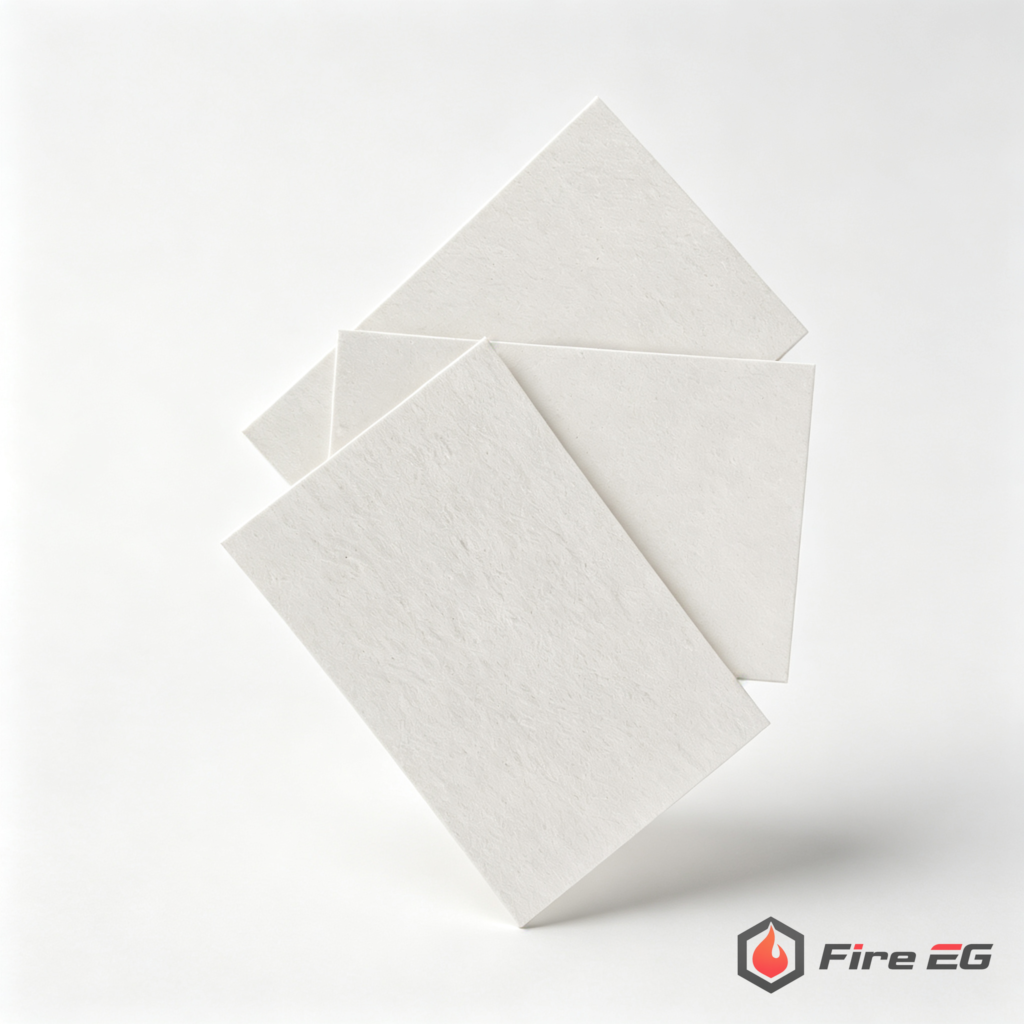
SA-3 – Phosphate-Based Semi-Rigid Intumescent Board
Activates at 280°C | 40x volumetric expansion | No expansion pressure For fire door hardware: locks, hinges, inspection windows
How Inorganic Intumescent Boards Work
Both SF-7 and SA-3 are passive — they require no power, no activation signal, and no maintenance. When exposed to elevated temperature from fire:
SF-7 (Sodium Silicate):
When temperature exceeds 120°C, water bound within the sodium silicate matrix evaporates rapidly, driving perpendicular expansion of the board. The resulting foam is porous, pressure-resistant, non-combustible, and provides active thermal insulation — absorbing and dissipating heat from the fire source. Expansion pressure of up to 1.5 N/mm² enables effective sealing in confined spaces.
SA-3 (Phosphate-Based):
At 280°C, ammonium phosphate chemistry generates a large volume of microcellular insulating foam with multidirectional expansion and no significant expansion pressure. This makes it suitable for delicate applications around hardware components where mechanical pressure could cause damage — such as latch cases, hinge recesses, and inspection window frames.
Choosing Between SF-7 and SA-3
| Parameter | SF-7 (Sodium Silicate) | SA-3 (Phosphate) |
|---|---|---|
| Activation Temperature | 120°C | 280°C |
| Expansion Mechanism | Perpendicular to board surface | Multidirectional foam |
| Expansion Pressure | Up to 1.5 N/mm² | Negligible |
| Rigidity | Rigid (fiberglass reinforced) | Semi-rigid |
| Thickness Range | 2–4mm | 0.6–2mm |
| Best For | Fire doors, safes, penetrations | Hardware recesses, narrow gaps |
| Water Resistance | Protect from prolonged moisture | Indoor use only |
| Asbestos Content | None | None |
→ Need both gap sealing and structural insulation? Specify SF-7.
→ Need to protect door hardware without mechanical pressure? Specify SA-3.
→ Unsure? [Contact our technical team →]